Managing finances is one of the most critical tasks for any small business, and QuickBooks makes it easier with its powerful features. Whether you’re just starting or looking to optimize your financial processes, QuickBooks offers tools designed to save time, improve accuracy, and provide valuable insights. In this post, we’ll explore the top five QuickBooks features every small business should use to streamline their operations and drive growth.
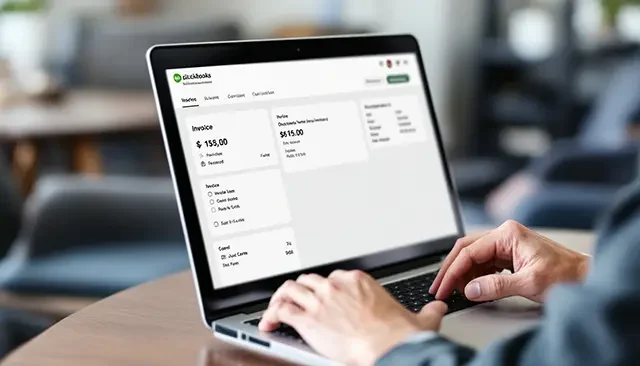
1. Automated Invoicing
Why It’s Useful: Save time and improve cash flow by automating your invoicing process. QuickBooks allows you to create and schedule recurring invoices, send payment reminders, and even accept online payments.
How to Use It: Set up recurring invoices for regular clients, and enable email reminders to ensure timely payments.
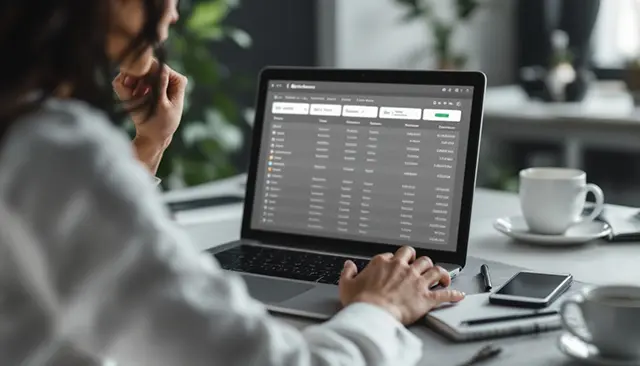
2. Expense Tracking
Why It’s Useful: Keeping track of your expenses is vital for accurate financial reporting and tax preparation. QuickBooks simplifies this by syncing with your bank accounts and categorizing expenses automatically.
How to Use It: Link your business bank accounts and credit cards to QuickBooks and regularly review categorized expenses to ensure accuracy.
3. Financial Reporting
Why It’s Useful: QuickBooks generates detailed financial reports like profit and loss statements, balance sheets, and cash flow summaries, giving you a clear picture of your business’s financial health.
How to Use It: Run monthly reports to monitor performance and share them with your accountant or financial advisor for strategic planning.
4. Payroll Management
Why It’s Useful: Managing payroll can be complex, but QuickBooks simplifies it by calculating employee wages, deducting taxes, and sending payments directly to employees.
How to Use It: Set up payroll through QuickBooks, input employee information, and automate payments and tax deductions.
5. Tax Preparation Tools
Why It’s Useful: Tax season is stressful for many small business owners, but QuickBooks offers tools to calculate, track, and prepare taxes, ensuring compliance and accuracy.
How to Use It: Organize and categorize expenses, and use the tax summary feature to prepare for filing. Share the data with your CPA directly through QuickBooks.
QuickBooks offers a wide range of features to help small businesses save time, stay organized, and make better financial decisions. By utilizing these top five tools—automated invoicing, expense tracking, financial reporting, payroll management, and tax preparation—you can take control of your business’s finances and focus on what you do best: growing your business.
About NWA Books
We specialize in providing small businesses with expert bookkeeping, analytics, and leadership solutions. Let us help you simplify your finances and grow your business.